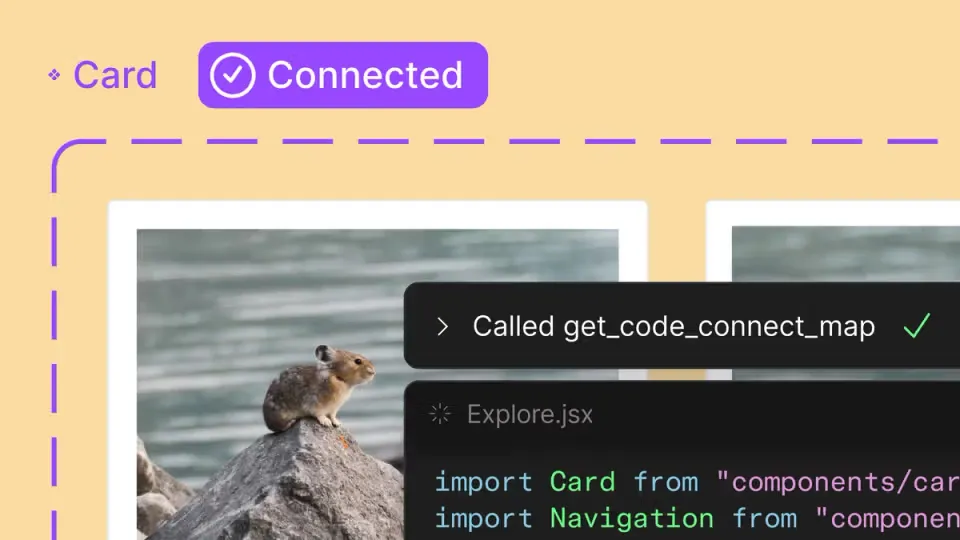

From the start, low-code has always been a misunderstood concept. Over time, however, not only has demand for low-code platforms grown exponentially, organisations have also become aware of the truth behind the misconceptions. In a fast-changing world, organisations must innovate or fall behind. A shortage of skilled developers has led to low-code development. Companies are increasingly choosing low-code platforms to speed up their app development process and their digital transformation initiatives. But as low-code becomes more popular, a few misconceptions have arisen. We would like to put these myths to rest.
Myth #1: Low-code = low customisation

Let's start with the most common myth about low-code: that you can't really build anything custom with it. Nothing could be further from the truth!
The idea behind low-code development is to achieve as much as possible without code, but this does not mean developers cannot extend the functionality with code if they want to. In short, low-code platforms give both the business and IT the tools to work together and quickly build valuable enterprise apps, while keeping control over the entire lifecycle of the application.
Myth #2: Low-code increases security risks

Here, too, the opposite is actually true! Many low-code platforms have built-in security features and improve visibility, which makes it easier for IT to enforce security. Features such as low-code automation also help to standardise processes, create process consistency and reduce errors.
With additional features, such as permission-based user access, teams can also decide who gets access to what. That makes secure collaboration between internal and external stakeholders possible.
Myth #3: Low-code development is only for the development phase

Low-code platforms such as OutSystems support the entire 'app lifecycle', because the complete process, from idea and development to testing and management, takes place within the platform.
This gives a time-to-market advantage that lets organisations innovate faster than their competitors.
Low-code platforms also include visual development tools, social collaboration tools and end-user feedback loops. All of this makes for a fast development phase, but also for speed in testing new ideas, responding to feedback and rolling out applications and portals.
Myth #4: Low-code is for small and simple applications
People still think that low-code equals small-scale development. Research by Forrester, however, shows that enterprise applications are mostly complex, large and crucial to the business. And that these are often built with low-code platforms.
Most applications built with low-code tools are used by the entire organisation or by several departments.
Of course, you can also develop simple applications with a low-code platform. But it is certainly possible to build more complex applications that are crucial to the way an organisation runs.
Myth #5: Low-code makes developers redundant

This is perhaps one of the most common misconceptions. Low-code doesn't make developers redundant; it makes their lives easier.
It takes over many of the tedious coding tasks and lets developers focus on 'the bigger picture' and on delivering solutions faster.
Would you like to discover how low-code can help your business grow? Then get in touch with us, with no obligation, or request a free, tailored demo.