








App development

Enterprise applications without the enterprise project

From customer portals and workflows to AI-supported business applications. We build software that fits your processes, connects to your existing systems and delivers value quickly.

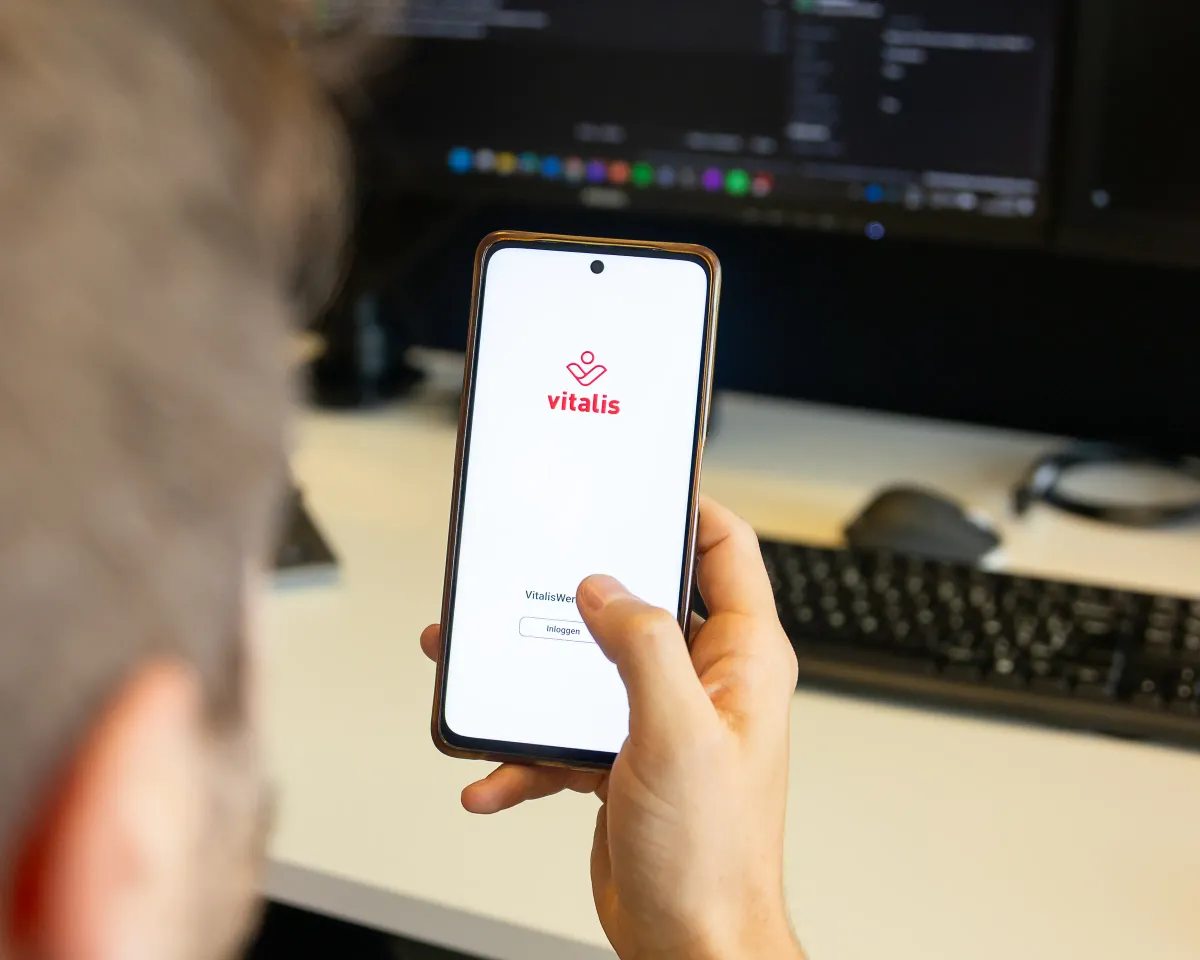
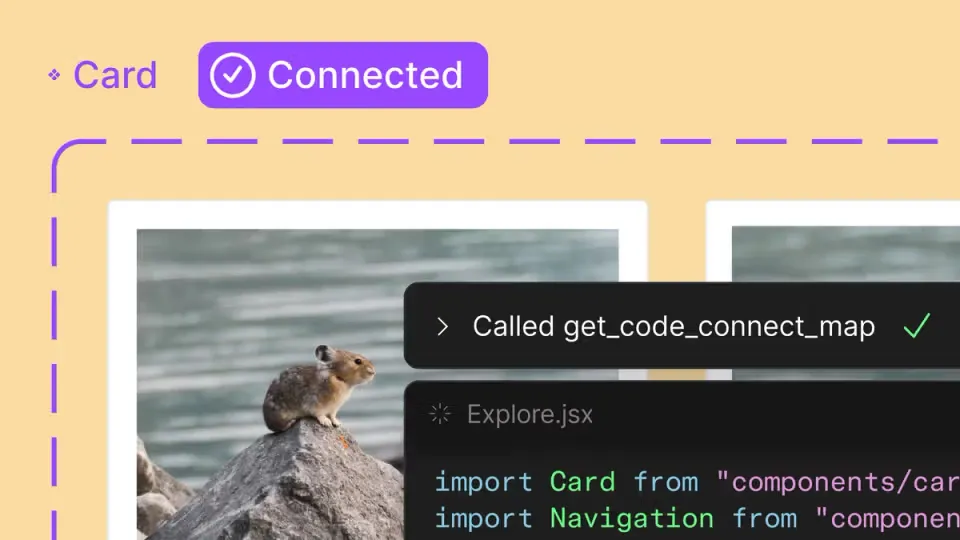
A developer tests a healthcare application on his phone, with the code beside it on the screen.

In use at

Who it is for

We build for organisations that

  • Work with complex business processes that standard software does not support.
  • Want to build a digital layer on top of existing applications, data sources and platforms.
  • Want to integrate AI functionality into their day-to-day operations.
  • Want to offer internal and external users a consistent digital experience.
  • Want to simplify a fragmented application landscape without rebuilding everything.
  • Are looking for a scalable business application that grows with the organisation.

What we build

Which applications do we build?

  • A woman at her own kitchen table looks at her phone, with post and a mug beside her.

    Customer portals

    Give customers one place to submit requests, find documents and follow the status of their cases. With a customer portal, loose emails, phone calls and the same status questions again and again disappear from daily operations.

    Build a customer portal
  • An employee at a desk works with focus on one screen while several others stand beside it.

    Employee applications

    Software for the work your people do every day. No endless switching between systems, no entering the same data three times and no workarounds to get something done. Built as a custom application around your processes.

    Ease your people's work
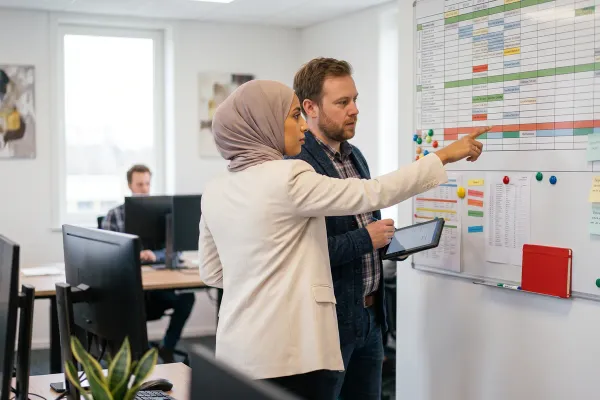
  • Two colleagues stand at a planning board, one of them pointing at a line.

    Operational applications

    Digitise processes from request to completion. Planning, follow-up, reporting and everything in between in one business application, without spreadsheets, mailboxes and loose lists as a stopgap.

    Digitise processes
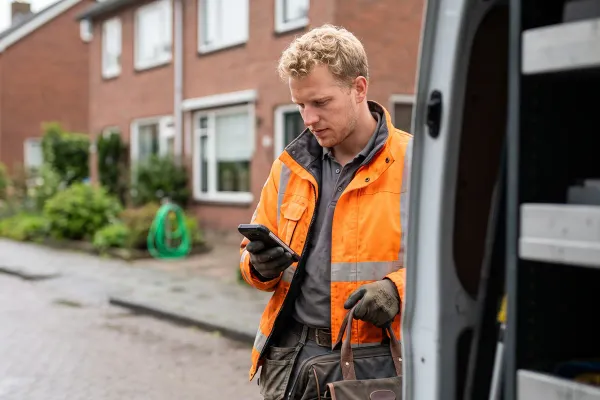
  • A technician in a work jacket looks at his phone by the open side door of a van.

    Field service apps

    For staff on the road or on site. Work orders, inspections, registrations and photos always to hand, even without an internet connection. What happens out in the field does not have to be entered again afterwards.

    Take the work along
  • A worker at a packing table in a distribution centre checks a packing slip, with racking and a forklift behind her.

    Partner portals

    Work more efficiently with suppliers, distributors, franchisees or other partners. Share information, follow up requests and work around the same process, without endless email chains and versions of Excel files.

    Work with partners

How we build

One team for integrations and applications

Many software projects run aground between different suppliers. One builds the application, another manages the integrations and nobody feels responsible for the whole.

We build both. First we lay the integration layer that connects systems, data and processes. On top of it we build the application your employees, customers or partners work in.

Our approach

From challenge to application in use

Before we start building, we want to know whether building is the right choice at all. Sometimes an existing solution is better. Sometimes an integration is enough. Sometimes custom software is exactly what is needed.

This approach has proven itself in dozens of projects by now.

  1. Solution Fit

    Together we look at what you want to solve and which approach fits: build, buy or integrate. You get a concrete proposal, a first picture of the solution and a realistic estimate of budget and lead time.

  2. Architecture

    We map existing systems, data and processes and decide how everything works together. That way we build on what is already there instead of starting over.

  3. First working version (POC/MVP)

    No months of waiting for an end result. We quickly deliver a first working version with your own processes and data, so users can test it and adjust course.

  4. Build and roll out

    We keep building in short cycles and deliver new functionality step by step, so you see the application grow throughout the project.

  5. Use in practice

    Software is only successful when people work with it. That is why we involve end users from the start and collect feedback throughout the project.

  6. Management and further development

    It does not stop at go-live. We provide support, monitoring and further extension of the application through our service desk, available 24/7.

Where we use it

Built for sectors that keep running

Healthcare, banking and insurance rely on core systems that stay in place. We build the layer on top where the work happens: one process at a time.

Another sector? No problem. We build applications in more sectors than these three.

Talk to an expert
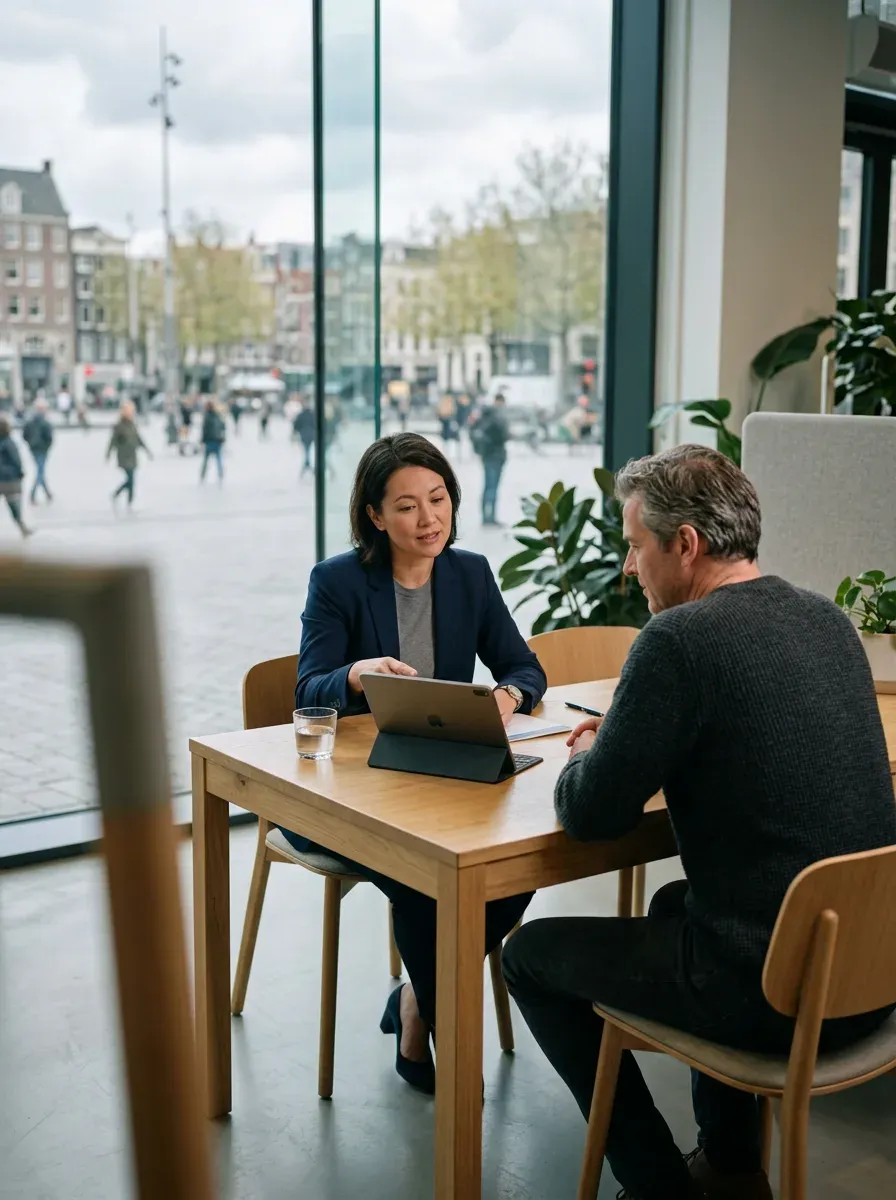
Healthcare professionals in discussion behind a screen.Colleagues in discussion at a meeting table.Two colleagues looking at a laptop together.

Healthcare, care and cure

Break free of processes that bend to fit the software. We build for the way you work, connected to and in sync with the systems underneath.

  • Seamlessly connected to your EHR

    The record stays the source and is not touched. We build what is missing around it and connect it back, so a second version of the truth never appears.

  • Fewer systems, a clearer overview

    The biggest time savings come from small frustrations that disappear. With a custom app, staff spend less time switching between systems, up to an hour a day.

  • Patients arrange more themselves

    Viewing their own record, making an appointment and seeing what is going to happen. Every question a patient answers themselves is one that does not end up at the front desk.

  • Meets healthcare law and standards

    NEN 7510 for information security and 7513 for logging on the record, the GDPR and the European EHDS, in Belgium through the eHealth platform. From the first sketch.

Banking

Speed up digital renewal without replacing your core banking system. We build customer processes, portals and workflows that move with new expectations, without risk to the systems underneath.

  • No expensive core replacement

    New digital processes sit on top of the core banking platform, which simply keeps running. What has to change at the front does not have to become a migration lasting years.

  • Customer processes that do not get stuck

    From onboarding to changes and requests: one flow with the checks built in, so a case is not left sitting in a mailbox halfway through. Fewer drop-offs, less manual work.

  • More self-service, less contact volume

    Customers handle what they can, when it suits them. Every request that is completed digitally is one that does not end up at the contact centre.

  • Compliance that comes along automatically

    Audit trails and checks sit in the process itself. Who did what and when is recorded the moment it happens, without anyone building a report for it.

Insurance

Bring new products to market faster without replacing your policy administration. We build the processes and portals around it, so a change does not have to become a project.

  • From quote to policy without stops

    One continuous flow from the first question to the signed policy, with the underwriting rules built in. Broker and customer see the same status.

  • Claims that go through without manual work

    The simple cases go through automatically. Your people spend their time on the cases that really need it, and lead times come down.

  • Fewer calls, more self-service

    Brokers and customers follow their own case and make changes themselves. Every call that drops away is a call nobody had to make.

  • A rule change without a six-month release

    Terms and rates change without a project around them. Reusable components keep technical debt out, even when regulations change again.

Frequently asked questions

What clients ask us

When is custom software the right choice?

Custom software is the right choice when your processes do not fit well within standard software, when different systems need to work together or when a process gives you a competitive advantage. In those situations a tailored business application often delivers more value than adapting a package to the way you work.

Can't we build this ourselves with vibe coding?

For a prototype or an internal tool that ten people use, you can often get a long way with it, and that is a gain. It becomes a different story once customer data goes into it, it needs integrations with systems that are already running, and the application still has to work in three years while the person who built it is somewhere else. We build with AI support ourselves too, and it saves time. The difference is in what surrounds it: an architecture that grows with you, code that gets reviewed, security and logging in the design, and integrations that keep working when a source system changes. AI speeds up the work. The decisions stay with people who are accountable for them.

What does a custom application cost?

The investment depends on the complexity, the number of users and the integrations needed. A complete business application naturally calls for a different investment than limited process support or a customer portal. For organisations that first want to validate whether an idea works, we often start with an analysis, prototype or Proof of Concept. A project like that can be set up from around €10K. Based on that, we decide together whether further development is the right next step. For larger custom applications we draw up a realistic scope, planning and investment estimate after the analysis.

How long does application development take?

A first working version is usually ready within 8 to 16 weeks. The exact lead time depends on the complexity, the number of integrations and how many decisions have already been made. We work iteratively, so you can give feedback quickly and realise value.

Can you integrate existing systems?

Yes. Integration is often the foundation of a successful business application. We connect applications to ERP systems, CRM solutions, data sources, healthcare systems and other business applications. Depending on the landscape, we use integration platforms such as MuleSoft or Frends to exchange data securely and reliably.

Can you build on an existing application?

Yes. We start with a technical review of the existing application, including architecture, code quality, security and integrations. Based on that, we decide whether building further is the best choice, or whether a partial rework delivers more value. That way we avoid new investments reinforcing old technical problems.

How do you make sure the application actually gets used?

A successful business application is not only about technology, but also about adoption. That is why we involve end users from the start of the project. We validate processes, test with users and collect feedback during development. After delivery we keep measuring, optimising and supporting, so the application becomes a fixed part of daily operations.

Talk to an expert

Not sure yet whether custom software is the right choice? That is exactly where we start. A short conversation is usually enough to say which direction we would take.

Fields marked with an asterisk are required.

Step 1 of 2
Step 2 of 2
When is the best time to reach you?

Feel free to pick several. If nothing suits you, leave it empty and we will email a suggestion.

Our insights and stories