
For a long time, app design and development looked roughly like this: designers hand over mockups. Developers ask questions. A game of ping-pong begins. A forgotten state here, the wrong spacing there. More back-and-forth. The result? Delays.
At Harmony, we have years of experience in how a first idea turns into a fully functional application. The bottleneck in that process was rarely the code itself: the clarity between the designer's intent and the developer's execution often played a bigger role.
So we asked ourselves: what if designers and developers worked together during design, instead of after it?
That simple question completely changed the way we work in Figma. Figma is the tool we build in before anyone opens OutSystems. Designers and developers now sit in the same Figma files from day one. Thanks to Dev Mode, developers see exactly what the designer intended, in real time. As a result, we catch misunderstandings early, keep the back-and-forth to a minimum, and ship faster and with fewer bugs.
Figma's three strategic advantages
- Real-time collaboration
Unlike Sketch or Adobe XD, Figma is browser-native. Stakeholders join with no hassle: no downloads, no plugins, no wait times. For organisations with distributed teams, this is transformational. We have seen design review cycles shrink from 5 days to 2 days, simply because participation is higher. - Scalable design systems
Our applications have to stay consistent across hundreds of screens. Thanks to Figma's design system capabilities (shared components and variables), changes are applied everywhere at once. Does a button style need to change for the branding or for accessibility? One change in Figma is enough. For OutSystems developers, this takes away all the guesswork. - Easier handoff
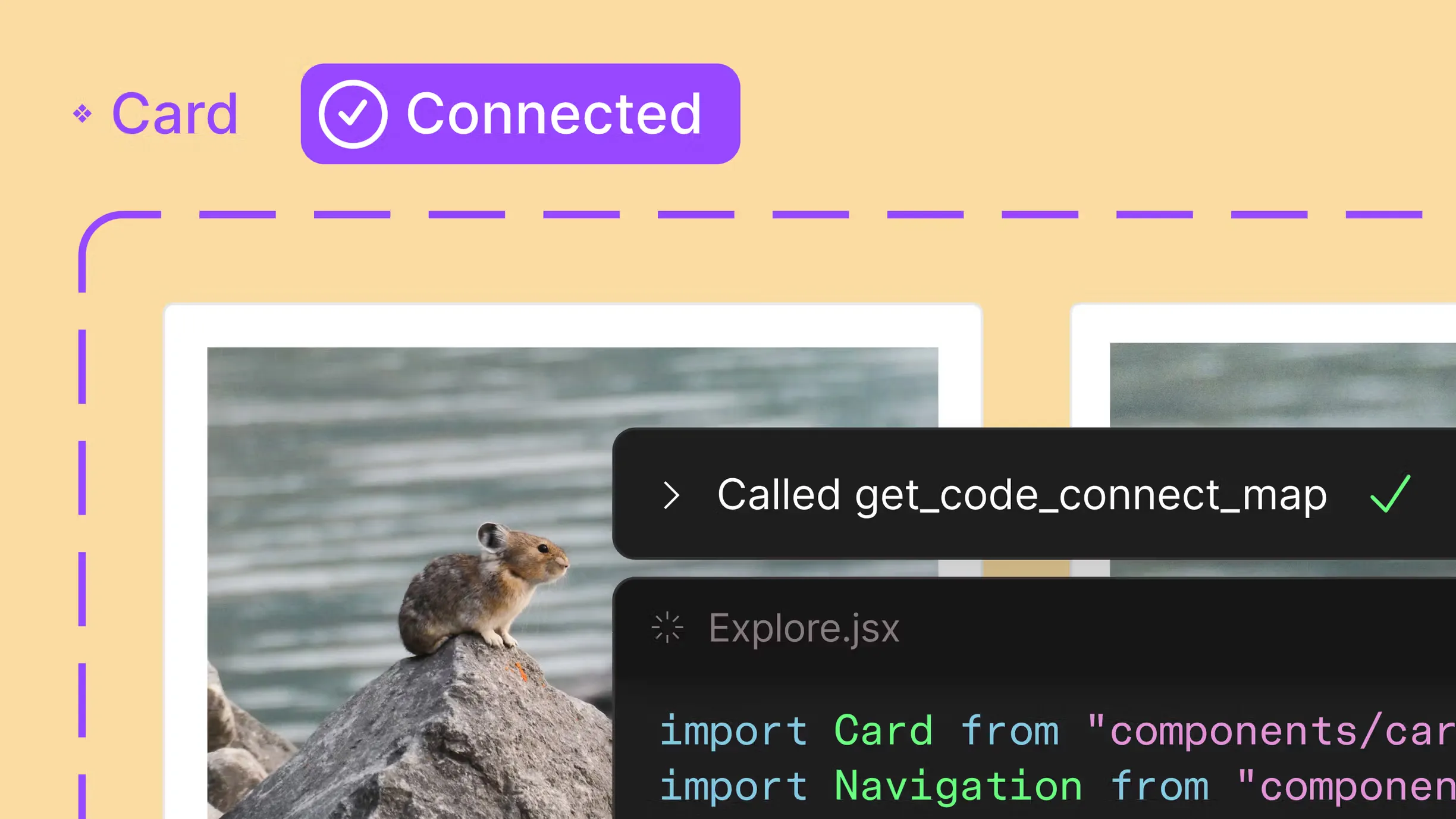
Figma's Dev Mode shows CSS classes and styling details directly to developers. These styles translate almost one-to-one into OutSystems. This shortens build time and prevents miscommunication. In our projects, Dev Mode reduces handoff friction by around 25 to 30%.
What about AI? Figma Make vs. Figma Design
The market is changing at lightning speed. Tools such as Framer are investing heavily in prompt-driven UI generation: you describe what you want, and the tool builds it. Figma's response is Figma Make, an AI feature that generates interface concepts from text.
This is the era of "vibe coding": working from a clear purpose and using the tool to speed up the first version.
Figma Make supports exploration: you describe the intent, the AI generates options, and you choose the direction. It is about the "vibe" and the essence, without getting bogged down in pixels too early.
Figma Design supports consolidation: once the direction is set, you refine the layouts and apply the rules of the design system. This is where you need the precision that is essential for a production-ready OutSystems build.
Together, they close the gap. Figma Make speeds up the "vibe", while Figma Design safeguards the quality.
Figma reality check?
Why we are sticking with Figma for now
| Aspect | Status | Our perspective |
|---|---|---|
| Current fit | Strong | Figma fits our high-performance delivery model perfectly. |
| Design systems | Superior | Essential for the consistency that enterprise apps demand. |
| Future risk | Moderate | AI-native tools will improve, but the maintainability of automated UIs remains a sticking point. |
Keeping a finger on the pulse
So we certainly won't be jumping on the next hype, but we are keeping a close eye on the competition.
The speed of generative UI is undeniable. In 12 to 24 months, the conversation may look very different. For now, Figma offers the balance we need: solid fundamentals plus emerging AI, without sacrificing the strict rules that enterprise applications require.