The challenge
Internal projects ran too slowly or without focus because of unclear processes.
Healthcare professionals ran into barriers when starting and carrying out improvement projects.
There was a need for guidance in dealing with change in a complex hospital setting.
The result
Insight into the main bottlenecks in the project approach and collaboration.
Confirmation of internal suspicions through external interviews with stakeholders.
A start on small-scale initiatives with broad support within the organisation.
Embedding change structurally in the organisation
GZA Ziekenhuizen was in the middle of a period of intensive transformation. The impact of the Covid pandemic could still be felt, while other major projects were running at the same time:
- The introduction of a new electronic health record (EHR)
- Preparations for a large-scale merger with ZNA
- A structural staff shortage that put pressure on internal operations
“We have faced a lot of challenges in recent years. Covid, the EHR, the merger... Those changes ask a lot of an organisation.” says Quinten Debruyne.
In that context, it became more and more important to set up internal projects quickly, efficiently and in a structured way. Not only to guarantee continuity of care, but also to support employees in their work.
GZA noticed that many initiatives were being started across the organisation, from small process improvements to larger change programmes, but that it was often hard to keep them consistent and moving forward.
A phased approach with interviews, analysis and co-creation
Before the workshops, Harmony started with interviews with a diverse group of internal stakeholders. By listening broadly first, the team got a clear picture of the barriers staff and doctors face when starting and carrying out projects. These insights formed the basis for the rest of the programme.
GZA had also already brought together some preparatory thinking internally. That input was taken on board to keep the work focused.
The first workshop focused on sharpening and categorising the biggest bottlenecks. What mattered here:
- The insights from the interviews were widely recognised
- Different perspectives came together in one shared overview
- The session laid a shared foundation for further action
The second session focused on what participants can already change themselves within their sphere of influence. Harmony guided the team to:
- formulate small-scale, realistic experiments
- align priorities with feasibility and impact
- take ownership within their own department or role
The combination of an external eye and internal recognition meant that ideas did not stay on paper, but were turned straight into feasible first steps.
A workable framework for continuous improvement
The Business Next Step programme gave GZA Ziekenhuizen the footing it needed to understand its own project operations better and to strengthen them in a targeted way. This is what we achieved:
- a shared and validated picture of structural bottlenecks
- a basis for aligning initiatives better
- concrete actions that teams and departments could pick up straight away
The combination of interviews, reflection and co-creation created recognition and ownership. Employees felt heard and challenged to contribute to change from within their role.
Thanks to the pragmatic approach, the first initiatives could be picked up quickly, with attention to both quick wins and structural improvements in the long term.
Healthcare never stands still. We need to be able to change without slowing down; and that works better when we know where it really hurts.

A healthcare provider in full evolution
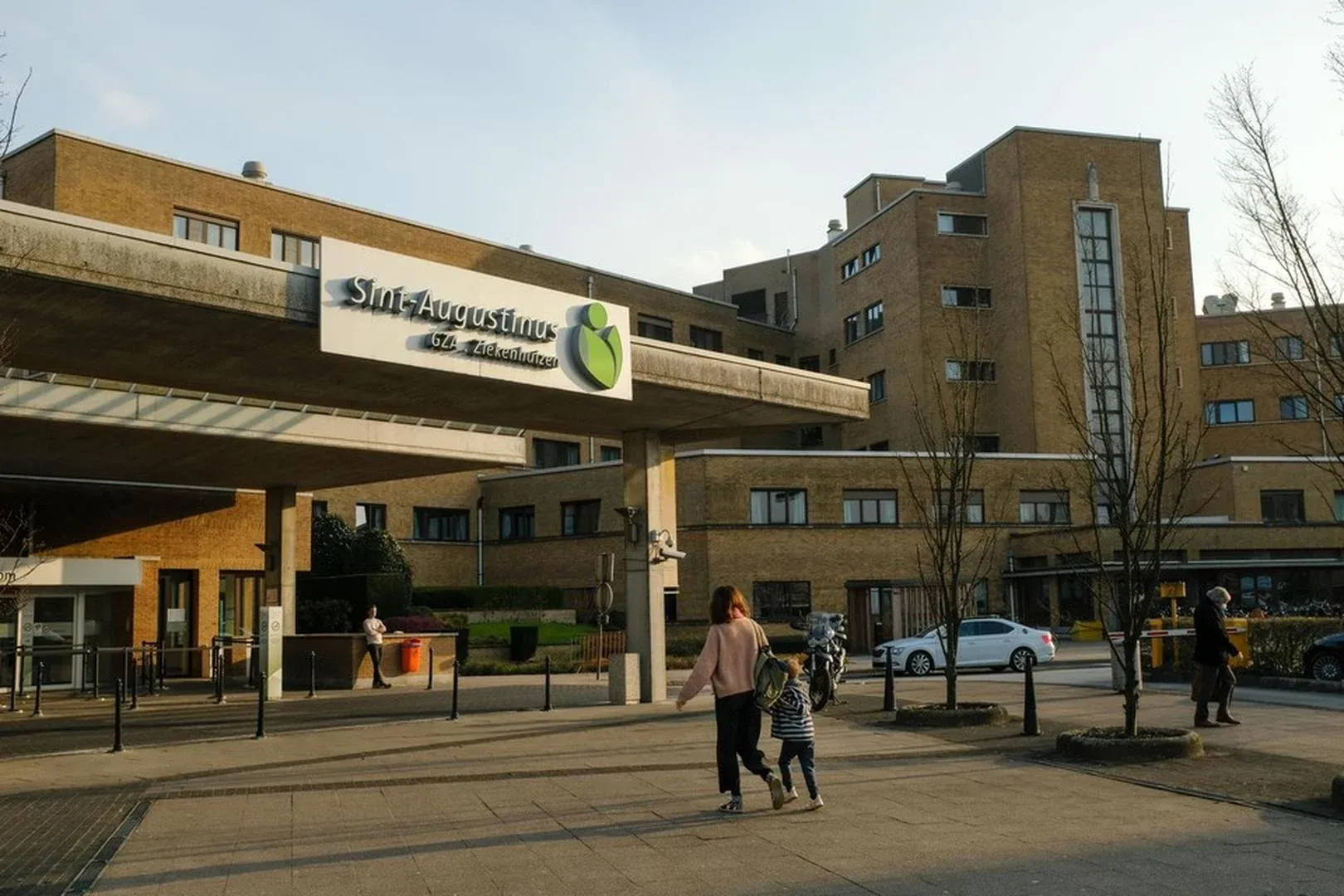
With more than 1,000 available beds and around 3,600 employees, GZA Ziekenhuizen is one of the largest healthcare institutions in Belgium. The hospital consists of three campuses in Antwerp and is part of the Ziekenhuis Netwerk Antwerpen (ZNA).
In 2024, GZA and ZNA officially merged under the new name ZAS (Ziekenhuis aan de Stroom), creating one of the largest hospital groups in the country.
GZA invests not only in high-quality patient care, but also in developing and supporting its employees.